
Share this
by HEPACART on Jan 19, 2026
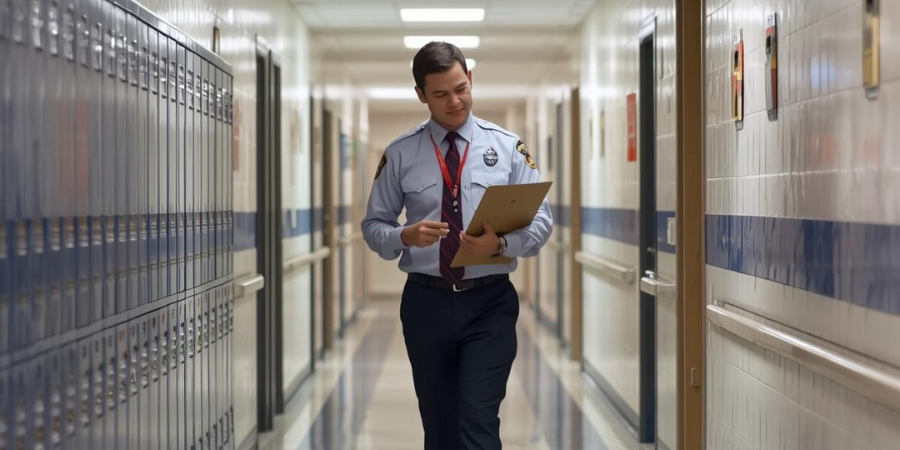
Most schools are not ignoring air quality on purpose. It usually gets pushed down the list because everything else feels more urgent. A leaking roof, an HVAC unit that needs another temporary fix, or a stack of work orders that never seems to shrink can easily take over your entire week before you even think about whether the building is meeting basic school air quality standards.
But air quality issues do not stay quiet for long. A classroom starts to smell musty. A parent asks why their child’s asthma is flaring up again. A teacher mentions headaches every afternoon. Those small comments are usually the first signs that indoor air quality standards may be slipping, and once people start noticing, the questions come fast from families, school boards, and even local health departments.
Air quality compliance is not something you can save for a slow season or the next round of funding. It ties directly into student health, staff safety, and how your school is viewed by the community. People pay attention, and air quality standards often become the measure of whether a building is being cared for the way it should be.
Knowing what the air quality standards for schools are and how to stay on top of them is now a core part of running a safe, reliable school environment.
What Air Quality Standards Mean for Your School
School air quality standards can sound technical on paper, but for schools the expectations are pretty straightforward. The EPA, ASHRAE, and state health departments all point to the same core question: is the building meeting the indoor air quality standards designed to keep students and staff healthy?
Most of what schools need to monitor falls into a few simple buckets:
- Carbon dioxide levels
- Particulate matter
- Ventilation rates
- Humidity
Each one tells you something important about whether you are actually meeting air quality standards. High CO2 usually means a room is not getting enough fresh air. High particulate levels can signal filtration issues or hidden dust and contaminants. Low ventilation rates show that the system is not cycling air the way it should. And humidity that is too high or too low can affect comfort and create conditions where mold or bacteria grow.
The EPA’s Indoor Air Quality Tools for Schools framework helps break all of this into manageable pieces. It focuses on how air moves through a space, what contaminants might be present, how well the HVAC system is performing, and how often inspections and maintenance are being done to stay aligned with school air quality standards.
When facility teams understand these basic air quality standards, it becomes much easier to spot when a room needs attention and decide what the right next step should be.
The Risks of Falling Behind on Air Quality Standards
Air quality problems end up costing schools more than most people expect, especially when the building is not meeting required air quality standards. The effects usually show up in small ways at first. The school nurse starts seeing the same complaints from the same students. Teachers mention headaches or feeling tired by the afternoon. When those patterns cluster in one wing or one classroom, it is often a sign the building is drifting out of alignment with indoor air quality standards.
Once that happens, the financial side usually follows. Emergency HVAC fixes are rarely cheap, and mold remediation is something no school wants to deal with. Even buying stopgap air purifiers at the last minute adds up fast. And if concerns keep growing, you can end up dealing with liability questions tied directly to air quality compliance.
The reputation impact is another piece that facility teams feel right away. It only takes one parent email to turn into a long thread that circles the whole community. When school air quality standards are questioned, people start assuming there are bigger issues behind it.
Catching these problems early is not just better for health and safety. It is the smartest financial move too. Addressing issues before the building falls too far behind on air quality standards saves time, money, and a lot of unnecessary stress.
5 IAQ Signs That Your School May Be Out of Compliance
Air quality issues rarely start with something dramatic. They usually show up in small, everyday ways that are easy to overlook when the rest of the building is demanding attention. But when facilities catch these early signs, it prevents bigger problems and helps keep you aligned with required air quality standards for schools.
Here are a few of the most common indicators that air quality standards may be slipping:
- Frequent illness patterns among staff or students
- Persistent odors or moisture issues
- Dust buildup around vents or on surfaces
- Uneven airflow from one classroom to the next
- Older HVAC equipment that struggles to keep up
You do not need formal sensors to catch most of these. They are simple, practical clues that help facility teams spot when a space is falling behind indoor air quality standards and needs attention.
How to Build a Culture of Compliance
Staying compliant works best when it becomes part of the school’s everyday routine, the same way you track maintenance, safety checks, and work orders. Schools that consistently meet air quality standards do so because the work becomes part of their culture.
Documentation is one of the strongest tools you have. When filter changes, IAQ readings, inspections, and HVAC work are logged consistently, you get a clear picture of whether the building is meeting required air quality compliance expectations. It also gives you something solid to show when questions come your way from administrators or parents.
Communication with staff matters too. Teachers spend all day in their rooms and are often the first to notice airflow or odor changes that impact school air quality standards. Setting up simple reporting expectations helps your team hear about these issues early.
The EPA’s Take Action to Improve Indoor Air Quality framework is another helpful resource. It breaks the process into four manageable steps that help schools stay in alignment with indoor air quality standards over the long term.
Equipment Schools Use to Maintain Air Quality Standards
Staying compliant with air quality standards is much easier when your equipment works with you instead of creating more problems. Below are the core tools schools rely on to maintain consistent air quality compliance during maintenance, daily operations, and high traffic periods.
HEPACART® Containment Carts
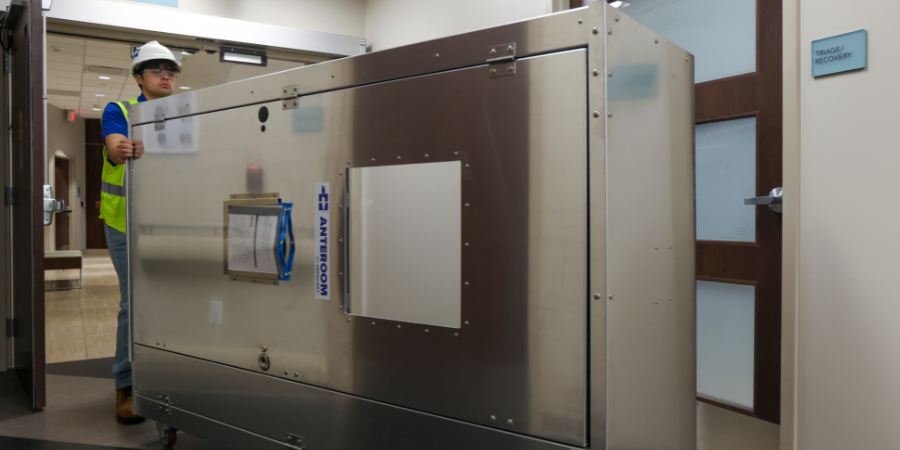
HEPACART containment carts help schools stay aligned with school air quality standards during any ceiling or maintenance work. They contain dust with a sealed enclosure and maintain negative airflow so contaminants do not drift into classrooms or hallways.
They roll in easily, set up quickly, and reduce cleanup time. This helps facility teams complete work without disrupting learning or slipping out of compliance with indoor air quality standards.
HEPAFORCE® GermBuster Portable Air Purifiers
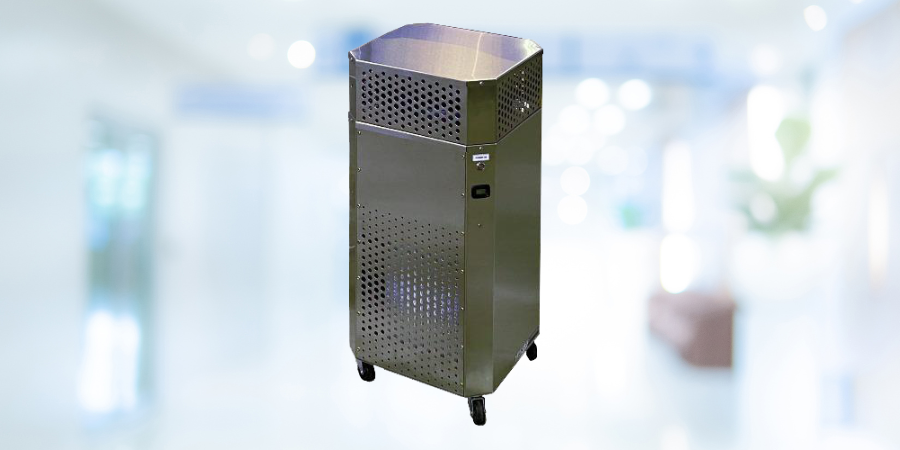
GermBusters units support everyday air quality compliance by improving filtration in classrooms, offices, nurse stations, and libraries. Each unit uses hospital grade HEPA filtration that meets high air quality standards for particle capture.
They are quiet, easy to move, and effective in rooms that struggle to meet ventilation expectations.
HEPA and ULPA Filter Upgrades
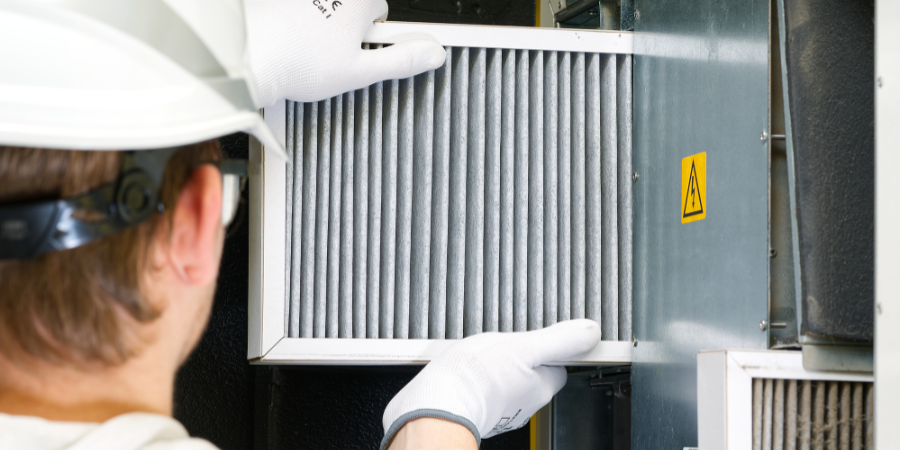
Upgrading to HEPA or ULPA filters is one of the fastest ways for schools to improve air quality compliance. These filters capture much smaller particles than standard HVAC filters and help buildings meet EPA and ASHRAE air quality standards without major HVAC changes.
Protecting Compliance Means Protecting People
At the end of the day, meeting school air quality standards is really about taking care of the people who walk into your building every morning. When the air is clean and consistent, you see fewer nurse visits, fewer complaints, and more confidence from families and staff.
Parents notice when a school stays on top of indoor air quality standards. Teachers do too. And students simply learn better when the air feels fresh instead of heavy or stale.
If you want a clearer path to staying ahead of air quality concerns and keeping your building aligned with air quality standards, the guide below lays everything out in a simple, practical way.
Download the Ultimate Guide to Indoor Air Quality for checklists, recommended tools, and straightforward steps you can put to use right away.

Share this
