
Share this
by HEPACART on Dec 01, 2025

Every school wants to give students the best chance to learn, grow, and stay healthy. But one factor in particular is easy to overlook when it comes to safe and healthy learning: the air inside the building.
When classrooms feel stale, when allergy symptoms spike, or when absences seem to climb during the school year, it might just be a sign that your school’s indoor air quality (IAQ) needs your attention.
For facility managers, air quality is a compliance and health priority that is tied directly to student performance and community trust. The good news for facility managers is that by understanding the standards and knowing where your school stands, you make small, strategic improvements that add up to a big difference in your school’s atmosphere, performance, and well-being.
Why Clean Air Is More Than a Comfort Issue
Indoor air quality standards exist to make sure the air students and staff breathe each day is safe. These standards aren’t optional. They were developed by organizations like the Environmental Protection Agency (EPA) and ASHRAE to protect occupants in high-traffic, enclosed spaces like schools.
The EPA’s IAQ Tools for Schools framework gives facility teams a clear path to identify and fix air quality issues. It focuses on ventilation, filtration, and maintenance as three pillars of prevention.
ASHRAE Standard 62.1 takes things a step further by outlining how much fresh air must circulate in classrooms to maintain acceptable air quality levels. Many states have since tied portions of their education funding or facility inspections to meeting those benchmarks.
These two resources are an excellent place to start when you’re evaluating your school’s compliance and safety when it comes to indoor air quality.
What’s Working Against Your School’s Air Quality
Schools put heavy demands on their air systems. Classrooms are packed for hours each day, and the air has to work harder to stay clean. As students and staff breathe, carbon dioxide levels climb, while dust, allergens, and other particles quickly build up.
Many HVAC systems in schools simply weren’t designed for that kind of workload. Older units focus on temperature control, not modern ventilation or filtration needs. Even with upgraded filters, they often struggle to push enough clean air into every room, especially during peak occupancy.
Seasonal changes add even more strain. In winter, closed windows and dry air trap pollutants. In summer, heat and humidity fuel mold and bacterial growth.
When teachers mention “stuffy” rooms, or you notice fatigue and allergy complaints rising, it’s often a signal for you and the maintenance team to take a closer look at indoor air quality and filtration.
Here’s What You Need to Know About IAQ Standards
You don’t need to memorize every line of EPA or ASHRAE regulations to stay compliant. But knowing the key points makes it easier to spot gaps before they become problems.
The EPA recommends monitoring indoor air indicators like carbon dioxide, humidity, and particulate levels. Their IAQ Tools for Schools framework focuses on prevention, reducing pollutants at the source, and maintaining consistent monitoring so problems don’t resurface.
ASHRAE Standard 62.1 sets the baseline for classroom ventilation. It calls for keeping CO₂ levels below 1,000 parts per million (ppm) and supplying roughly 15–20 cubic feet of fresh air per minute per person. This is particularly important in a classroom setting to make sure there’s enough circulation to dilute pollutants and maintain a comfortable environment.
Your state education department likely has additional resources and guidelines for your area to follow, so make sure that you’re up-to-date on all local regulations as well.
HVAC Can’t Maintain Your School’s IAQ Alone
School HVAC systems are great at controlling temperature, but they weren’t built to capture fine particles or airborne pathogens. Even with regular maintenance, that gap can lead to persistent allergy and illness issues.
Upgrading to higher-efficiency filters like medical-grade HEPA filters can help in some cases, but they have their own unique limits as well. Dense filters can strain fans and reduce airflow, forcing a tradeoff between comfort and filtration. And when filters aren’t replaced on time, that performance drops off quickly.
Air circulation also varies across classrooms, leaving some areas with stagnant air that will eventually trap dust and contaminants. Over time, those inconsistencies add up, especially during flu or allergy seasons.
Adding a HEPACART GermBuster® portable HEPA unit is one of the fastest ways to improve classroom air. It traps what standard HVAC filters can’t, delivering cleaner, healthier air without major renovations or system changes.
The Smarter, Simpler Way to Clean the Air in Your School
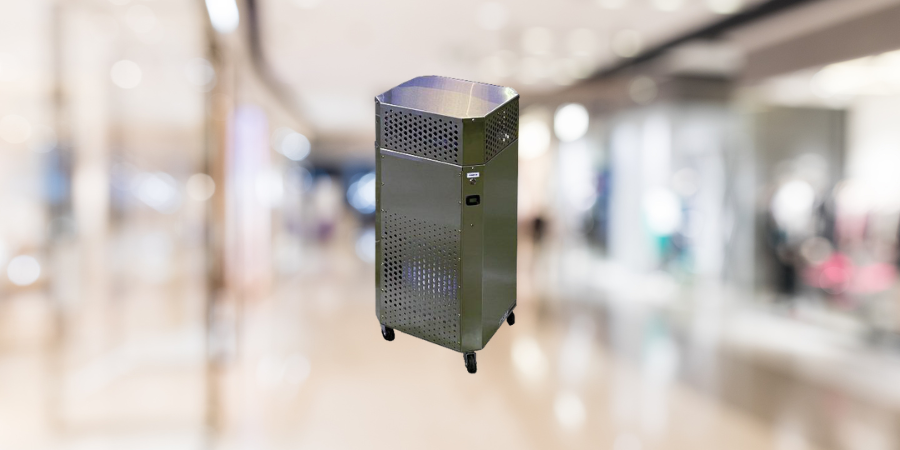
When it comes to improving indoor air quality, portable HEPA filtration is one of the easiest and most effective steps a school can take. These units work alongside existing HVAC systems to clean the air where it matters most: in classrooms, offices, and shared spaces.
A true HEPA filter captures 99.97% of particles as small as 0.3 microns, including dust, allergens, and airborne pathogens. That’s far beyond what even high-rated HVAC filters, like MERV 13, can handle on their own. Adding portable HEPA filtration gives your building that extra layer of protection to meet today’s air quality expectations.
Systems like our own GermBuster units are built for continuous use, run quietly, and require no complex setup. Because they’re portable, they can move wherever they’re needed — a classroom, a nurse’s office, or a library — keeping air quality consistent across the building.
For schools working within tight budgets, we also offer subscription options that make it easier to bring hospital-grade purification into everyday environments without a large upfront cost.
Paired with regular HVAC maintenance, portable HEPA units offer a simple, proven way to improve indoor air quality without the major upgrades or downtime.
Simple Steps to Strengthen Indoor Air Quality
Improving indoor air quality doesn’t have to mean a full system overhaul. Small, steady steps can make a big difference in comfort, compliance, and overall air health.
1. Review Your Maintenance Schedule
Check how often filters are replaced and vents or ducts are cleaned. Skipping even one cycle can undo months of good air quality work. If your filters aren’t at least MERV 13, upgrading is a simple first step toward better filtration.
2. Track Your Air Quality
Use IAQ monitors to measure CO₂, humidity, and particulate levels in high-traffic spaces. These readings show where ventilation might be falling short and help you prioritize improvements before problems spread.
3. Supplement With Portable HEPA Filtration
Add portable HEPA units in classrooms, offices, or nurses’ offices where ventilation struggles to keep up. Systems like the GermBuster offer a flexible way to boost filtration without overhauling your HVAC system.
4. Build a Routine for Following Up
Once you’ve made improvements, keep tracking results. Regular checks and scheduled maintenance ensure your systems keep performing while helping your school stay compliant year-round.
Cleaner Air. Healthier Schools. Lasting Results.
Indoor air quality shouldn’t be an afterthought. It’s part of running a safe, dependable facility that supports students, staff, and your broader community.
The reality is, you don’t need a massive budget or new HVAC system to make progress. Staying on top of maintenance, monitoring air quality, and adding the right filtration where it’s needed most goes a long way toward meeting standards and keeping people healthy.
At HEPACART®, we’ve built tools like the GermBuster to make those improvements simpler. Because clean air shouldn’t be complicated. It should just be part of how your school works.
Download the Ultimate Guide to Indoor Air Quality to see practical ways to strengthen your IAQ strategy and keep every classroom breathing easier.

Share this
