
Share this
by HEPACART on Feb 09, 2026

Facility managers are facing a new reality. Infection control expectations keep rising while the buildings you are responsible for keep getting older. More renovations. More touch-ups. More behind-the-ceiling work in tight, occupied spaces. At the same time, IAQ concerns are louder than ever and inspectors are zeroing in on airflow, noise, and clean visual lines. Staff and patients also expect the environment to feel safe, no matter what project is happening down the hall.
But the containment tools many facilities rely on were never designed for this world. Plastic sheeting, taped seams, makeshift doors, and temporary framing might hold for a day, but they rarely hold for the life of a project. They tear. They leak. They trip pressure alarms. And when they fail, it is your team dealing with the downtime, the rework, and the questions no one wants to answer.
Modern infection control requires containment that is as strong and adaptable as the environments you maintain, and that’s exactly why we’re seeing a wide range of innovations and improvement in flexible containment these days.
The Latest Innovations in Temporary Containment Solutions
Containment has evolved quickly in response to rising IAQ expectations, stricter inspections, and more frequent renovation work. The tools facilities relied on for decades simply cannot keep pace. Below are the key innovations reshaping infection control today.
Reusable Modular Wall Systems
Reusable panels like STARC RealWall and LiteBarrier have replaced single-use plastic barriers. These rigid, modular walls lock together cleanly, create an airtight seal, and maintain their integrity throughout multi-phase renovations.
Built-In Sound Attenuation
Noise control has become a major priority in both healthcare and education environments. Modern temporary wall systems are engineered to reduce construction sound, helping maintain a calmer environment in patient rooms, hallways, and classrooms located near active project zones.
Fire-Rated and Cleanable Surfaces
Today’s containment panels offer surfaces that meet fire safety requirements and can be cleaned with hospital-grade disinfectants. This not only supports infection prevention but also delivers a more professional appearance in occupied spaces.
Mobile Containment With Integrated HEPA Filtration
HEPACART units bring true negative air containment directly to the task. These mobile systems seal to the ceiling, create a contained workspace in minutes, and use built-in HEPA filtration to capture dust and debris at the source during everyday maintenance.
Rapid Deployment and Easy Reconfiguration
Modern containment is designed for speed. Both modular walls and mobile carts install quickly, move easily, and adapt to shifting project needs. This eliminates constant taping, retaping, and rebuilding while keeping teams productive and reducing downtime.
Designed for Real-World Conditions
Across all innovations, the biggest advancement is reliability. Modern systems maintain steady pressure, support HEPA filtration, reduce noise, and provide a clean, finished look. They perform consistently in the environments where facility managers need them most.
Prepare to apply the latest technology and innovation in your facility here.
How Temporary Wall Systems Are Revolutionizing Healthcare Construction

Healthcare construction is more complicated than it has ever been. Every project requires you to balance safety, compliance, patient comfort, and tight timelines. The margin for error is small. If dust escapes or negative pressure dips for even a moment, the project slows down. Rooms are pulled offline. Clinical teams raise concerns. And suddenly a simple phase turns into a bigger issue than it needed to be.
In this environment, temporary drywall and plastic sheeting have become more of a liability than a solution. They take too long to put up and even longer to tear down. They struggle to stay intact in high-traffic corridors where equipment and staff move constantly. They offer almost no sound control, which adds to patient and staff frustration.
Modern temporary wall systems like STARC® RealWall and LiteBarrier are designed for these real-world pressures. The panels snap together cleanly, stay aligned, and create an airtight seal that holds up throughout the entire project. They significantly reduce noise, support ICRA requirements, and present a clean, finished appearance that reassures both inspectors and clinical staff.
Explore ways to bring your facilities’ approach to flexible containment into 2026 here.
How HEPACART® and STARC Systems Offer Flexible Containment
Not every risk comes from major construction. In fact, most issues start during routine maintenance. Anytime a ceiling tile lifts or a technician opens a small access point, there is an opportunity for dust and debris to drift into occupied areas. Above ceiling work, wiring updates, HVAC checks, leak investigations, and mechanical repairs all carry the same risk. These everyday tasks can create the biggest headaches if they are not contained properly.
Using HEPACART eliminates the taping, retaping, and constant rebuilding that come with disposable barriers and keeps hallways clear while reducing the noise and visibility issues that frustrate both staff and patients. Instead of stopping work to fix plastic or seal seams again, your team can stay focused on the task.
STARC panels support the larger, long-term work. When a renovation spans multiple rooms or phases, their airtight seals, strong construction, and sound reduction create a stable and predictable environment. Once the panels are in place, they stay in place, which reduces the daily adjustments that slow projects down.
Discover the power of flexible containment providers you can depend on here.
Temporary Wall Systems are the Gold Standard for 2026 Healthcare Renovations
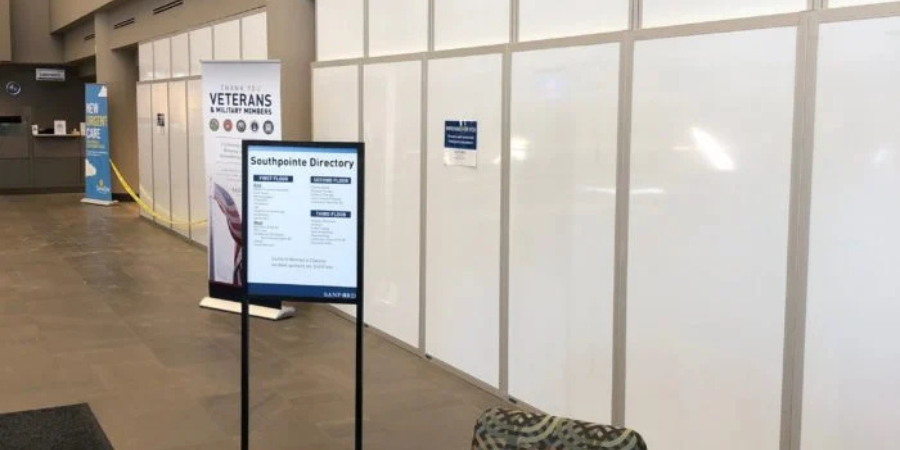
Industry expectations continue to shift as facilities look ahead to 2026. Hard wall containment has moved from a nice-to-have upgrade to the baseline standard in many healthcare environments. Inspectors expect it. Clinical teams prefer it. And facilities that renovate often are realizing plastic simply cannot keep up.
The limits are becoming harder to ignore. Disposable setups create recurring costs and more waste. They struggle to pass inspection and often lead to rework. They slow down project turnover and take longer to install and remove than most teams can afford. For facilities running back-to-back projects, these issues add up quickly.
That is why RealWall and LiteBarrier are gaining traction. They provide airtight construction, meaningful noise reduction, and a clean, professional appearance that holds up throughout multi-phase renovation work. They support stable negative pressure, which means fewer pressure alarms and fewer surprises during inspections.
Learn how to equip your facility with the industry-leading flexible containment here.
When Modern Innovations Work Together
The strongest containment strategy is rarely built around a single product. Most facilities need a combination of modular walls and mobile units to handle everything from large renovations to quick, unexpected maintenance. Each tool solves a different problem, and together they cover the full range of work that happens in an active building.
A common example is a phased renovation. STARC RealWall sets the boundary for the main construction zone and provides a clean, finished look that blends into patient-facing areas. Inside that zone, negative air machines maintain steady airflow and keep the environment controlled.
At the same time, technicians outside the renovation area use HEPACART units to access IT lines, swap ceiling tiles, or troubleshoot mechanical issues without expanding the construction footprint.
Where Does Innovative Flexible Containment Make the Biggest Impact?
Modern containment makes the biggest difference in environments where downtime, air quality, and safety are non-negotiable. These are the spaces where a weak seal or a failed pressure reading can ripple across the entire facility.
Healthcare construction
Renovations in patient wings, imaging suites, diagnostic areas, and critical care units demand airtight containment and consistent airflow. Modular panels and mobile carts give teams the stability they need to protect patients and keep work progressing without constant troubleshooting.
Education facilities
Schools operate on tight schedules and high occupancy. Flexible containment lets maintenance teams complete ceiling work, HVAC repairs, and small renovations during class hours without shutting down entire hallways or relocating students.
Emergency response
Water intrusion, mold events, and IAQ concerns require containment that can be deployed quickly and hold up under pressure. Reusable systems create a stable environment for remediation crews while helping facilities restore normal operations faster.
Sensitive environments
Pharmacies, clean rooms, labs, and sterile processing areas rely on controlled airflow and cleanable surfaces. Modern containment supports those requirements during repairs or equipment upgrades and helps prevent contamination in zones where even minor disruptions can have major consequences.
Why Reusable, Mobile, and Modular Systems Are Becoming the Standard
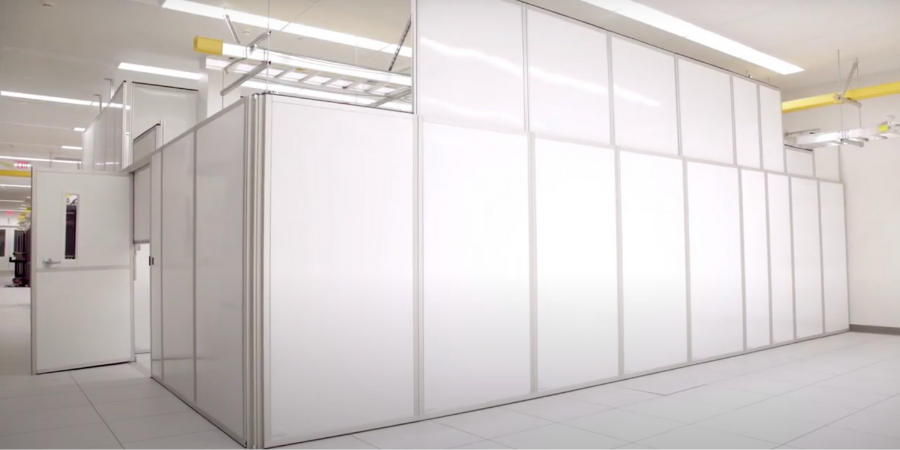
Reusable containment is becoming the preferred choice because it delivers clear, measurable benefits:
- Lower long-term costs because panels and carts are reused across multiple projects
- Less waste since plastic, tape, and disposable framing are no longer thrown out after each phase
- Stronger compliance support with stable airflow, better fire safety, and improved sound control
- Faster, more predictable installation that helps teams stay on schedule and reduce downtime
Modern Infection Control Needs Modern Tools
Disposable containment was never built for the demands facilities face today. As regulations tighten and IAQ expectations rise, these temporary setups create more problems than they solve.
Modern solutions from STARC and HEPACART provide a stronger, more predictable approach. Modular walls offer airtight, long-term containment with better noise control and a cleaner appearance. Mobile units bring HEPA filtration and negative air directly to the task, protecting occupied areas during everyday maintenance.
Together, they reduce risk, support compliance, maintain uptime, and keep people safe.
If you want a clearer understanding of how filtration fits into your flexible containment strategy, the HEPA vs. ULPA Guide is the next step.

Share this
